💰 The Psychology of Money

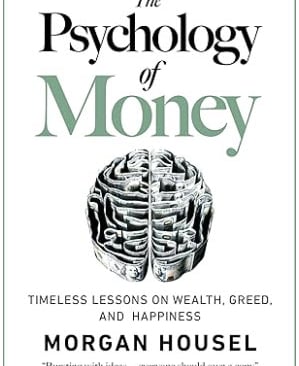
The Psychology of Money: Timeless lessons on wealth, greed, and happiness
Mass Market Hardcover







Book Overview
Prices and availability may change. Click the button below to see the latest price on Amazon.
Book Overview
The Psychology of Money by Morgan Housel explores how people think about money and how emotions, habits, and behavior often play a larger role in financial success than technical knowledge. Rather than focusing on complicated financial strategies, the book examines the psychological factors that influence how individuals save, invest, and spend money.
Through a series of short stories and real-world examples, Housel explains that financial success is not only about intelligence or high income. Instead, it often comes from patience, discipline, and understanding how risk and opportunity work over time. The book highlights how different life experiences shape the way people make financial decisions.
One of the key ideas in the book is that behavior matters more than knowledge when it comes to managing money. Even highly educated investors can struggle financially if they lack discipline, while ordinary individuals can build wealth through consistent saving and long-term thinking.
Housel also emphasizes the power of compounding, the importance of managing risk, and the value of maintaining a margin of safety in financial decisions. By understanding the emotional side of money, readers can make better choices and build financial stability over time.
Overall, The Psychology of Money offers timeless insights into how people think about wealth, success, and financial independence.
Lessons Learned From This Book
1. Financial Success Is Often About Behavior
Understanding your own habits and emotional responses to money is just as important as learning financial strategies.
2. Compounding Works Best With Time and Patience
Small, consistent investments over long periods can grow into significant wealth because of compounding.
3. Avoid Taking Unnecessary Financial Risks
Successful investors focus on protecting their money and avoiding major losses rather than chasing quick gains.
4. Wealth Is What You Don’t See
Many people appear wealthy through spending, but real wealth is often built quietly through saving and investing.
5. A Margin of Safety Is Important
Keeping financial flexibility and preparing for uncertainty can protect you during economic changes or unexpected events.


Affiliate Disclosure: Some of the links on this site are affiliate links. This means that if you click on a link and make a purchase, I may earn a commission at no extra cost to you. I only recommend products and services that I trust and believe will add value to my readers.
Why this disclosure is important:
✅ Builds trust with your readers
✅ Keeps us compliant with FTC regulations
✅ Protects our Blog and Site legally
✅ Helps our audience know were not just trying to make a sale — we are recommending products or services we believe in.
But that's not all.
· 🛍️ Same Products, Same Prices – You’re not paying a penny more by using our links. The only difference? Your click makes a difference in someone’s life.
· 🧰 Curated Recommendations – We don’t promote just anything. These are handpicked, tried-and-true products we trust and often use ourselves.
· ⏳ Save Time – No more endless searching—we’ve done the digging for you. Find useful, affordable, and top-rated items all in one place.
· ❤️ Support Small – Instead of all your dollars going to a corporation, a percentage go to a business that values every single customer.
Thank you for choosing to shop with us. You’re not just buying a product—you’re helping build a legacy.
Ask our Team, example:“Can't find what your looking for? Drop me a line and I will find it for you”