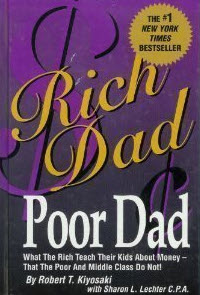
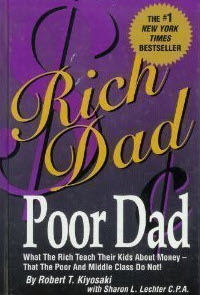
💰 Rich Dad Poor Dad - Hardcover

Rich Dad Poor Dad: What the Rich Teach Their Kids About Money That the Poor and Middle Class Do Not!
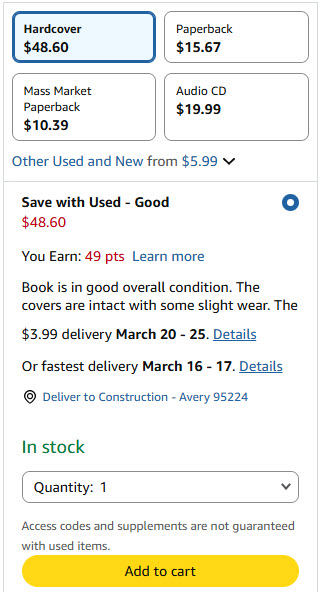
Mass Market Hardcover




Book Overview
Prices and availability may change. Click the button below to see the latest price on Amazon.
Book Overview
Rich Dad Poor Dad by Robert T. Kiyosaki is one of the most widely read personal finance books in the world. The book challenges traditional ideas about money, work, and financial security by comparing the lessons learned from two father figures — a “Rich Dad” and a “Poor Dad.”
Kiyosaki explains that many people spend their lives working for money instead of learning how money can work for them. Through simple stories and examples, the book introduces concepts such as financial education, building assets, understanding cash flow, and thinking differently about jobs, investing, and entrepreneurship.
One of the central ideas of the book is the difference between assets and liabilities. Kiyosaki teaches that financial success often comes from acquiring assets that generate income rather than relying only on wages from a job.
The book encourages readers to develop a mindset focused on learning about money, investing wisely, and building long-term financial stability. Rather than promoting quick wealth, it emphasizes education, awareness, and understanding how financial systems work.
Because of its easy-to-understand storytelling style, Rich Dad Poor Dad has helped millions of readers begin thinking differently about personal finance and the importance of financial literacy.
Key Lessons From This Book
1. The Rich Don’t Work for Money Robert Kiyosaki explains that wealthy people focus on building assets that generate income instead of relying only on a paycheck. The goal is to make money work for you.
2. Understand the Difference Between Assets and Liabilities One of the core lessons is simple:
Assets put money in your pocket.
Liabilities take money out of your pocket.
Building wealth starts with owning more assets than liabilities.
3. Financial Education Is More Important Than Income The book teaches that learning how money works — investing, taxes, and business — is the real path to financial security, not just earning a higher salary.
4. Build Multiple Streams of Income Kiyosaki encourages readers to create additional sources of income, such as investments, rental property, or small businesses, to reduce financial risk.
5. Overcome Fear and Take Calculated Risks Many people avoid opportunities because of fear. The book emphasizes learning, planning, and taking smart risks to move forward financially.


Affiliate Disclosure: Some of the links on this site are affiliate links. This means that if you click on a link and make a purchase, I may earn a commission at no extra cost to you. I only recommend products and services that I trust and believe will add value to my readers.
Why this disclosure is important:
✅ Builds trust with your readers
✅ Keeps us compliant with FTC regulations
✅ Protects our Blog and Site legally
✅ Helps our audience know were not just trying to make a sale — we are recommending products or services we believe in.
But that's not all.
· 🛍️ Same Products, Same Prices – You’re not paying a penny more by using our links. The only difference? Your click makes a difference in someone’s life.
· 🧰 Curated Recommendations – We don’t promote just anything. These are handpicked, tried-and-true products we trust and often use ourselves.
· ⏳ Save Time – No more endless searching—we’ve done the digging for you. Find useful, affordable, and top-rated items all in one place.
· ❤️ Support Small – Instead of all your dollars going to a corporation, a percentage go to a business that values every single customer.
Thank you for choosing to shop with us. You’re not just buying a product—you’re helping build a legacy.
Ask our Team, example:“Can't find what your looking for? Drop me a line and I will find it for you”